

close
Choose Your Site
Global
Social Media


Views: 0 Author: Site Editor Publish Time: 2026-03-09 Origin: Site


Gabardine is a versatile and durable fabric that has been a staple in both fashion and functional applications for many years. Known for its smooth finish, tight weave, and remarkable durability, gabardine has earned its place in various industries, particularly in tailoring and outerwear. But what exactly is gabardine fabric, and why has it remained so popular for decades? This comprehensive guide will explore the origins of gabardine, its composition and weave, the key characteristics that make it unique, the various types of gabardine, its many uses, and how to care for it. We will also take a look at the future of this fabric as new innovations emerge.
The story of gabardine fabric dates back to the late 19th century, and it’s often credited to the visionary English tailor, Thomas Burberry. He is widely believed to have invented gabardine in 1879. Burberry designed the fabric as a durable, water-resistant alternative to the heavy woolen fabrics traditionally used for outerwear. With a focus on creating a practical yet stylish fabric for his weatherproof jackets, Burberry’s creation became a game-changer in the fashion world.
Initially, gabardine was made from wool, but over time, it has been produced using a variety of materials, including cotton and synthetic fibers. The fabric's combination of toughness and elegance made it perfect for both military uniforms and high-end fashion, particularly for outerwear like trench coats. Today, gabardine remains synonymous with quality and durability, and its legacy as a fabric of function and style continues to thrive.
At its core, gabardine is a tightly woven fabric, distinguished by its unique twill weave. This weave is what gives gabardine its characteristic diagonal ribbed texture, which is smooth on one side and slightly textured on the other. It’s this twill weave that helps gabardine maintain its structure while still offering flexibility and comfort.
Traditionally, gabardine was made from wool, but over the years, other fibers such as cotton, polyester, and nylon have been used to produce more affordable and varied versions of the fabric. The original woolen gabardine fabric was known for its superior water resistance and breathability, which made it an ideal choice for garments that needed to be both practical and stylish. Today, gabardine can be found in various blends, depending on the desired attributes such as elasticity, softness, and durability.
Wool Gabardine: Known for its luxurious feel and exceptional draping quality, wool gabardine is often used in high-end tailoring.
Cotton Gabardine: Lighter and more breathable, cotton gabardine is a popular choice for spring and summer wear, offering comfort and elegance.
Polyester Gabardine: Synthetic gabardine offers enhanced durability and wrinkle resistance, making it ideal for casual wear and outdoor garments.
Blended Gabardine: A blend of natural and synthetic fibers can offer the best of both worlds, combining comfort with durability.
The twill weave that characterizes gabardine fabric involves weaving threads in a pattern where the weft thread passes over one or more warp threads and then under two or more others. This creates the fabric’s signature diagonal lines, which not only contribute to its visual appeal but also enhance its strength and resistance to wear and tear. The tightness of the weave also adds to the fabric's wind and water resistance.
Gabardine fabric has several key characteristics that make it a preferred choice for many applications, from fashion to functionality. Here are some of the most notable traits:
Gabardine fabric is known for its sleek, smooth surface that reflects light beautifully. The diagonal twill weave creates a subtle shine, giving the fabric a polished look. It has a refined and elegant appearance that makes it suitable for both formal and casual wear.
One of the most significant qualities of gabardine is its durability. The tightly woven structure makes it resistant to abrasion, tearing, and other forms of damage. This makes it an excellent choice for clothing that will undergo frequent wear, such as suits, trousers, and jackets.
Despite its strength, gabardine is relatively breathable, especially when made from wool or cotton. The weave allows air to flow through the fabric, helping to regulate body temperature. This breathability makes it suitable for both warm and cooler climates.
Thanks to its tightly woven structure, gabardine is water-resistant, which was one of the original purposes of the fabric. Although it’s not entirely waterproof, it provides excellent protection from light rain and moisture.
Gabardine is smooth to the touch, which contributes to its luxurious feel. The fabric’s smoothness makes it ideal for tailored clothing, such as suits, skirts, and trousers, as it drapes well and maintains a crisp appearance.
Because of its dense weave, gabardine resists wrinkling, which makes it an excellent fabric choice for travel and everyday wear. This quality also contributes to its long-lasting appearance, as garments made from gabardine tend to look neat for longer periods.
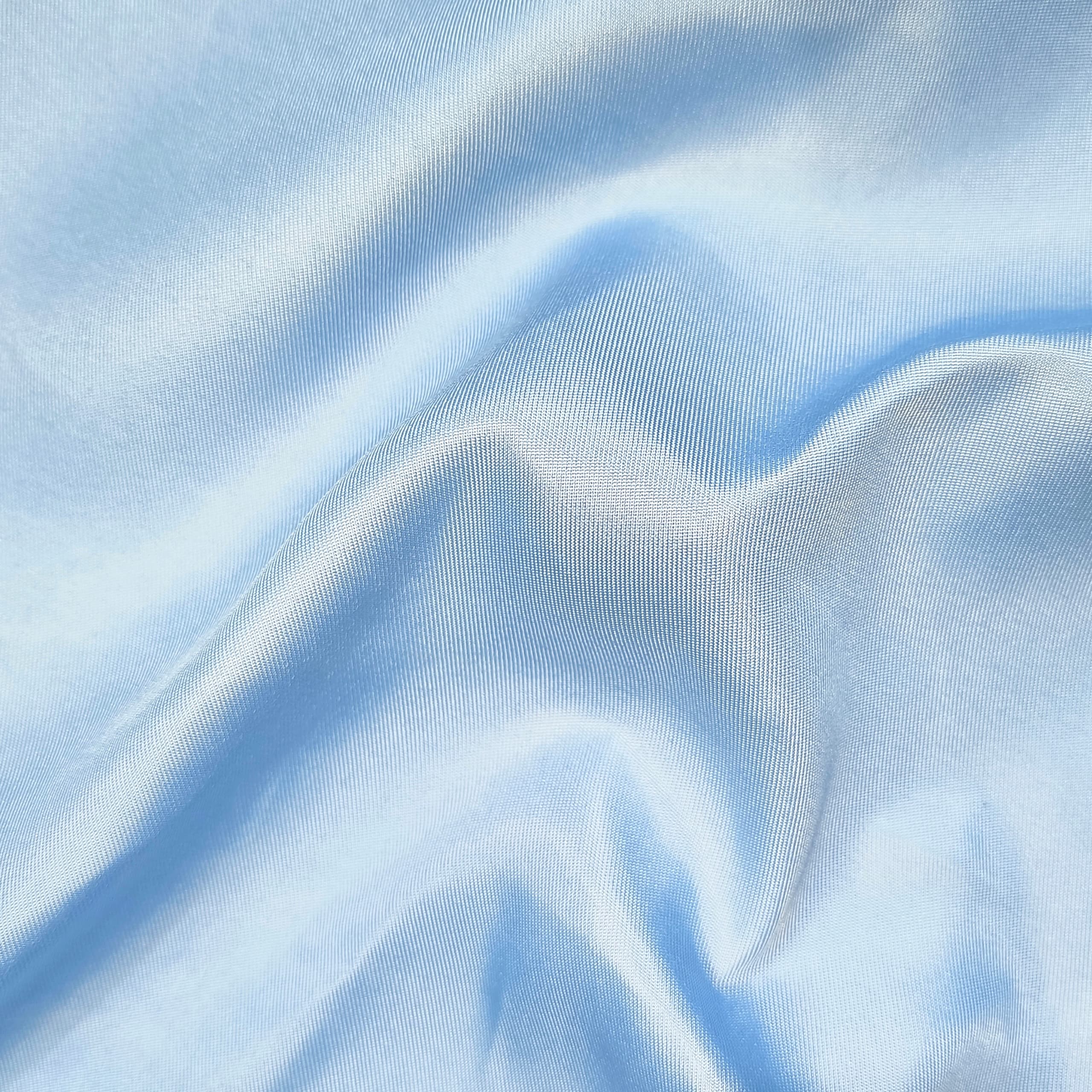
There are several types of gabardine fabric, each offering unique features suited to different needs. The primary variations are based on the materials used in their production and the final texture of the fabric.
This is the most traditional and luxurious form of gabardine. Made from 100% wool, wool gabardine has a soft, smooth texture that drapes beautifully. It’s commonly used for high-end suits, coats, and trousers. The fabric’s natural fibers provide excellent insulation, making it a great choice for colder climates.
Cotton gabardine is lighter and more breathable than its wool counterpart. It is often used for spring and summer apparel like lightweight trousers, skirts, and jackets. Cotton gabardine is comfortable and easy to care for, though it may not have the same level of water resistance as wool gabardine.
Polyester gabardine is a more affordable option that offers enhanced durability and low-maintenance care. This type of gabardine resists wrinkles, fading, and shrinkage, making it ideal for everyday wear, uniforms, and casual clothing.
Blended gabardine fabrics combine natural fibers, like wool or cotton, with synthetic fibers such as polyester or nylon. These blends offer the best of both worlds: the comfort and luxury of natural fibers combined with the durability and ease of care of synthetics.
Gabardine has a wide range of applications, from high-end fashion to functional outerwear. Its durability, breathability, and water resistance make it an ideal choice for garments that need to perform in various environments while maintaining a polished appearance.
One of the most common uses of gabardine is in tailored fashion. Suits, trousers, skirts, and blazers made from gabardine have a crisp, polished look that is perfect for formal events or professional settings. Gabardine is also used in dresses and jackets, providing both structure and elegance.
Gabardine’s water resistance and durability make it a popular choice for outerwear, especially in the form of trench coats. The fabric’s ability to repel water while still allowing air to circulate makes it perfect for spring and fall coats.
Due to its strength and resistance to wear and tear, gabardine is often used in workwear and uniforms, particularly in professions that require both durability and a professional appearance, such as law enforcement, military, and hospitality.
Some types of gabardine, particularly those made from synthetic fibers, are used in sportswear. The fabric's stretch and durability make it suitable for activewear, where both comfort and performance are essential.
Gabardine fabric is relatively low-maintenance, but like all fabrics, it requires proper care to maintain its appearance and longevity. Here are some tips for taking care of gabardine garments:
Dry Cleaning: For wool and high-end gabardine garments, it’s best to dry clean to preserve the fabric’s texture and shape.
Machine Wash: Synthetic gabardine (such as polyester) is usually machine washable. Always follow the care label instructions to avoid damage.
Ironing: Gabardine fabric tends to retain wrinkles, but light ironing can help remove creases. Always iron on a low heat setting and use a cloth to protect the fabric.
Storing: When storing gabardine garments, hang them on padded hangers to prevent creases. For longer storage, store garments in garment bags to protect them from dust and dirt.
The future of gabardine fabric looks promising, with ongoing innovations in both materials and manufacturing processes. Advances in synthetic fibers have led to more sustainable and eco-friendly versions of gabardine, making it a viable choice for the modern consumer who values both style and environmental responsibility.
Additionally, gabardine's classic look continues to be popular in fashion, with designers incorporating it into both traditional and contemporary collections. Its versatility and enduring appeal suggest that gabardine will remain a go-to fabric for many years to come.
From its rich history in tailoring to its modern-day applications in fashion and functionality, gabardine remains one of the most beloved fabrics. Its durability, versatility, and polished appearance have secured its place in wardrobes and functional garments around the world. Whether made from wool, cotton, or synthetic fibers, gabardine offers a perfect balance of performance and style, making it a timeless choice for those who value both elegance and practicality.
1. What makes gabardine fabric unique?
Gabardine’s unique characteristics stem from its tight twill weave, which gives it durability, smoothness, and water resistance, all while maintaining a luxurious appearance.
2. Can gabardine be used for casual clothing?
Yes, gabardine can be used for casual clothing, particularly when made from synthetic fibers like polyester. It is often found in trousers, skirts, and jackets for both formal and informal occasions.
3. How do I care for gabardine garments?
Most gabardine garments should be dry-cleaned, especially those made from wool. Synthetic versions can often be machine-washed, and light ironing can help keep the fabric looking fresh.
4. What types of gabardine are available?
Gabardine comes in several variations, including wool gabardine, cotton gabardine, polyester gabardine, and blended gabardine, each offering different qualities depending on the desired use.
