

close
Choose Your Site
Global
Social Media


Views: 0 Author: Site Editor Publish Time: 2026-03-23 Origin: Site


African Swiss Voile is a lightweight cotton fabric widely used in traditional and ceremonial clothing across West Africa. Known for its soft texture, breathable structure, and decorative embroidery, African Swiss Voile has become one of the most recognizable fabrics in regional fashion. The material is especially popular for garments worn during weddings, religious celebrations, and important cultural events.
Although the term "Swiss voile" originally referred to fine cotton voile fabrics associated with European textile production, African Swiss Voile today refers specifically to voile fabrics produced for the West African clothing market. These fabrics are typically made from high-quality cotton and are often enhanced with intricate embroidery or lace-like patterns that reflect local fashion traditions.
Across countries such as Nigeria, Ghana, and Senegal, African Swiss Voile is widely used to create elegant outfits that combine comfort with cultural expression. Because of its breathable cotton structure, the fabric is well suited to warm climates while still offering a refined and festive appearance.
African Swiss Voile is essentially a fine cotton voile fabric that has been adapted for traditional African clothing. The base textile is woven using a plain weave construction with thin, tightly twisted yarns. This creates a lightweight and slightly sheer fabric that feels soft against the skin.
What distinguishes African Swiss Voile from ordinary cotton voile is the way it is finished and designed for the West African fashion market. Many versions of African Swiss Voile feature decorative embroidery, eyelet patterns, or lace-inspired motifs. These designs add visual richness while maintaining the fabric’s lightweight feel.
Typical characteristics of African Swiss Voile include:
Fine cotton yarn construction
Lightweight and breathable texture
Soft and comfortable surface
Decorative embroidery or perforated patterns
Bright colors suitable for festive garments
These qualities make African Swiss Voile especially suitable for traditional clothing worn in warm climates.
The popularity of African Swiss Voile is closely connected to the history of textile trade between Europe and West Africa. During the twentieth century, lightweight cotton fabrics were increasingly imported into African markets to meet demand for breathable clothing materials.
Voile fabrics—known for their softness and airy structure—quickly became popular among local tailors and fashion designers. Over time, manufacturers began producing voile fabrics specifically designed for African consumers. These fabrics often featured embroidered patterns and vibrant colors that aligned with regional aesthetic preferences.
As a result, African Swiss Voile emerged as a distinct market category. While the fabric maintains the basic structure of traditional voile, its design and finishing processes are tailored for African fashion.
Today, African Swiss Voile continues to be widely used in ceremonial clothing and festive garments throughout West Africa.
The production of African Swiss Voile involves several steps that ensure the fabric maintains both quality and decorative appeal.
Most African Swiss Voile fabrics are produced using high-quality cotton fibers. Cotton is chosen because it provides breathability and comfort in tropical climates.
The cotton fibers are spun into fine yarns that are tightly twisted. This twisting process helps create the crisp yet soft texture characteristic of African Swiss Voile.
The yarns are woven using a plain weave structure, which is one of the most common weaving techniques. This method produces a lightweight but stable fabric suitable for garments.
After the base fabric is woven, many varieties of African Swiss Voile undergo embroidery or decorative cutting processes. These embellishments create patterns that resemble lace while maintaining the strength of woven cotton.
This decorative stage is one of the defining features of African Swiss Voile, giving the fabric its distinctive appearance in traditional clothing.
Several features make African Swiss Voile unique among fabrics used in African fashion.
Because African Swiss Voile is made from fine cotton yarns, it allows air to circulate easily. This makes it comfortable to wear in hot climates.
Many versions of African Swiss Voile feature intricate embroidery or eyelet designs. These patterns add elegance and make the fabric suitable for special occasions.
Despite its decorative appearance, African Swiss Voile remains soft and comfortable against the skin. This balance between beauty and comfort is one reason for its popularity.
African Swiss Voile can be used to create a wide variety of garments, ranging from simple everyday dresses to elaborate ceremonial outfits.
In West African fashion, African Swiss Voile is commonly used to create traditional garments worn for celebrations and cultural events.
Typical clothing items made from African Swiss Voile include:
Traditional dresses
Blouses and skirts
Embroidered gowns
Head wraps and scarves
Matching family outfits for ceremonies
During weddings and religious celebrations in places such as Nigeria and Ghana, garments made from African Swiss Voile are often chosen because the fabric combines elegance with comfort.
Tailors frequently pair African Swiss Voile with other decorative elements such as lace trims, embroidery, or beadwork to create visually striking outfits.
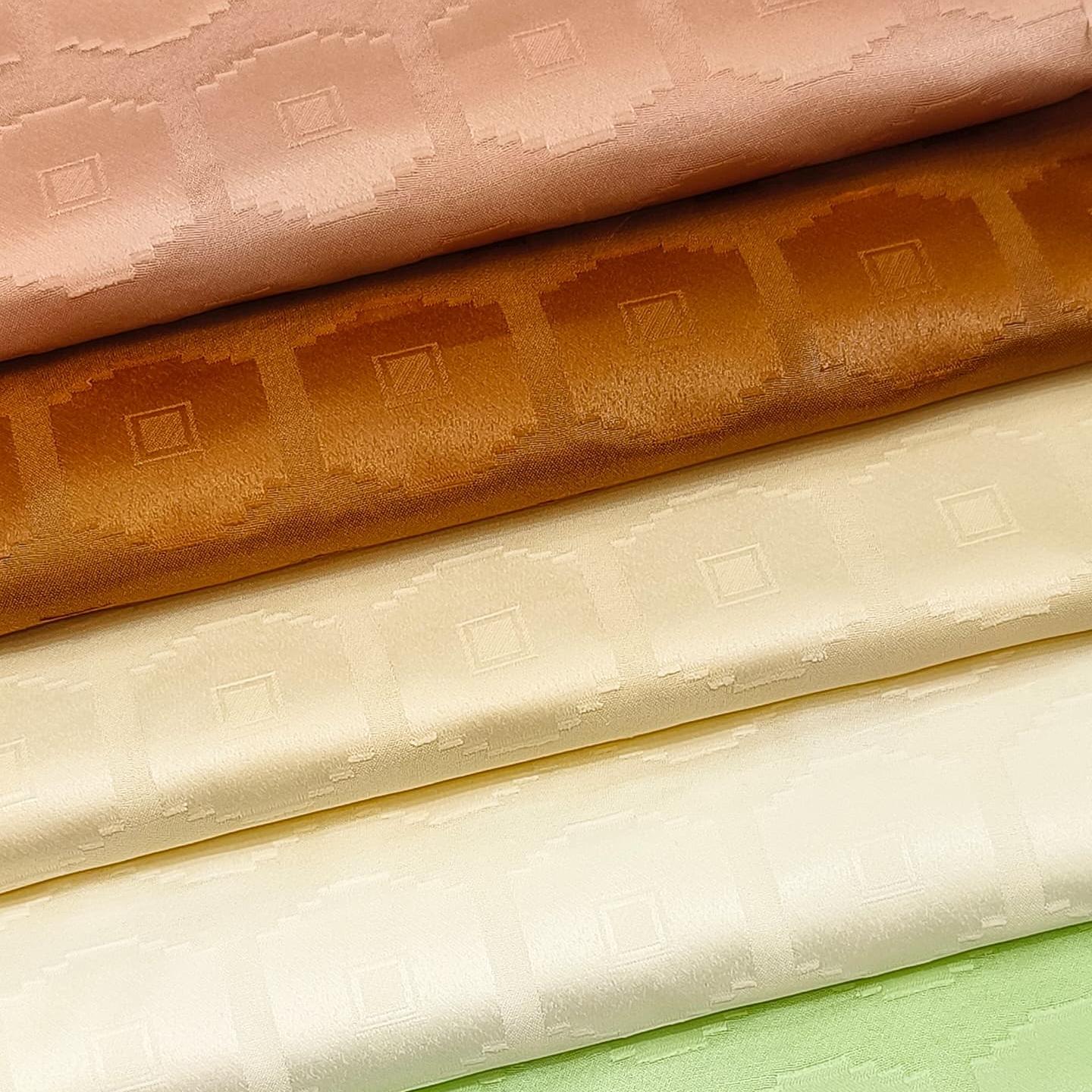
West African fashion includes several well-known textile types. The table below compares African Swiss Voile with other commonly used fabrics in the region.
| Fabric Type | Texture | Typical Use | Climate Suitability |
|---|---|---|---|
| African Swiss Voile | Lightweight and breathable | Dresses and ceremonial clothing | Excellent for warm climates |
| Lace Fabric | Decorative and patterned | Formal women's garments | Good breathability |
| Cotton Fabric | Soft and simple | Everyday clothing | Very breathable |
| Brocade Fabric | Heavier with woven patterns | Formal traditional attire | Moderate breathability |
This comparison highlights the role of African Swiss Voile as a lightweight yet decorative fabric suitable for warm environments.
In recent years, African Swiss Voile has remained highly popular in West African textile markets. Several factors contribute to its continued demand.
First, many consumers prefer natural cotton fabrics because they are comfortable in hot climates. African Swiss Voile provides the breathability that people seek in everyday and ceremonial clothing.
Second, embroidered voile fabrics are visually attractive and can easily be tailored into fashionable garments. This versatility allows designers and tailors to experiment with new styles while still using traditional materials.
Finally, the popularity of African fashion internationally has increased interest in fabrics such as African Swiss Voile, especially among designers who want lightweight materials with cultural significance.
When selecting African Swiss Voile, several factors can help determine the quality of the fabric.
Important indicators include:
Smooth and consistent cotton weave
Well-defined embroidery patterns
Lightweight but durable fabric structure
Even color distribution
High-quality African Swiss Voile should feel soft while still maintaining enough strength to hold embroidered designs.
Proper care helps maintain the appearance and durability of African Swiss Voile garments.
Recommended care practices include:
Washing gently with mild detergent
Using cool or lukewarm water
Avoiding high heat during drying
Ironing at low temperatures
Following these steps helps preserve the delicate embroidery and cotton structure of African Swiss Voile.
African Swiss Voile is typically made from fine cotton yarns woven into a lightweight fabric. Many varieties also include decorative embroidery.
African Swiss Voile is popular because it is breathable, comfortable in warm climates, and suitable for traditional ceremonial clothing.
Both fabrics share the same basic weaving structure, but African Swiss Voile is designed specifically for West African fashion and often includes decorative embroidery.
Designers and tailors use African Swiss Voile to create dresses, blouses, traditional gowns, and ceremonial outfits.
Yes. Because African Swiss Voile is made from lightweight cotton, it allows air to circulate easily and is comfortable to wear in warm climates.
African Swiss Voile is an important textile in West African fashion, combining the lightweight comfort of cotton voile with decorative designs suited for traditional clothing. Its breathable structure makes it ideal for warm climates, while embroidered patterns give garments a refined and festive appearance.
From weddings to cultural celebrations, African Swiss Voile continues to play a significant role in the clothing traditions of countries such as Nigeria, Ghana, and Senegal. With its balance of elegance, comfort, and cultural significance, African Swiss Voile remains one of the most valued fabrics in the region’s textile market.
